

Non-Doctor Appointment Transportation for Wheelchair Users
Missing a doctor visit can quickly turn a small concern into bigger trouble. For wheelchair users, the real challenge often begins before leaving home. Standard rides may lack proper access, space, or boarding support. That makes simple medical travel feel stressful, slow, and uncertain.
Doctor appointment transportation gives riders a more suitable way to travel. The right service can match wheelchair needs, timing, and assistance levels. This guide explains booking, vehicle access, return rides, and coverage basics. You will also learn what families should check before confirming rides. By the end, planning medical trips should feel clearer and safer.
A Complete Guide to Safe and Accessible Medical Appointment Rides
Getting to a medical visit should feel planned and manageable. Yet many patients face mobility limits, driving concerns, or unreliable family schedules. Doctor appointment transportation gives them a practical way to reach planned care. The right service should match timing, access needs, and personal comfort.
Who Can Benefit From Appointment Transportation
This service can help seniors, wheelchair users, and recovering patients. It also supports families arranging rides for relatives needing extra travel help. Some riders need regular checkups, while others travel for specialist appointments. Each trip should reflect the passenger’s mobility level and support needs.
Patients may also need non-emergency doctor visit transport after surgery or treatment. Older adults living alone can benefit when family drivers are unavailable. Wheelchair accessible appointment transport may suit riders needing ramps or lifts. These options help patients reach care without relying on unsuitable vehicles.
How Scheduling Works Before the Appointment
Scheduling should begin with the exact pickup address and appointment location. Riders should also share appointment times, building entrances, and return details. Mobility aids, wheelchair size, and boarding needs should be explained early. Clear information helps the provider assign suitable vehicles and travel support.
Families should also ask how appointment delays affect the return ride. Some providers use fixed pickup times, while others allow flexible returns. Door-to-door appointment transportation may include added help between entrances and vehicles. Exact assistance should always be confirmed before the booking becomes final.
What Makes an Appointment Ride Safe and Accessible
Safe medical appointment transportation depends on vehicle fit and trained assistance. Wheelchair users may need ramps, lifts, securement systems, and enough interior space. Seniors using walkers may need slower boarding and shorter walking distances. These details matter because ordinary vehicles may not meet every rider’s needs.
A comfortable ride depends on smooth driving and clear communication. Patients should know who to contact when pickup timing changes unexpectedly. Reliable doctor visit transportation should also explain delays and cancellation procedures. That clarity helps families manage appointments without extra confusion or last-minute stress.
Cost, Coverage, and Payment Questions
Affordable doctor appointment transport does not always mean choosing the lowest rate. Price can change with distance, vehicle type, assistance, and waiting time. Some medical appointment transportation services accept private payment or health benefits. Riders should confirm costs before agreeing to any scheduled medical trip.
Coverage can depend on insurance rules, medical need, and local programs. Medicaid may support eligible medical rides under state-specific transportation requirements. Some Medicare Advantage plans may also include transportation benefits for members. Families should verify coverage instead of assuming every appointment ride qualifies.
How to Choose the Right Service
Choosing the right medical appointment transport begins with the rider’s actual needs. Families should compare vehicle access, driver support, timing, and communication practices. They should also review cancellation rules and return ride procedures. A low price means little when the vehicle cannot fit properly.
Before booking, patients should confirm these important details with the transport provider:
- Vehicle access should match the rider’s wheelchair or mobility equipment properly.
- Pickup timing should allow enough time for medical facility check-in.
- Driver assistance should match the passenger’s requested level of support.
- Return ride rules should be clear before the medical appointment begins.
A well-planned patient ride to medical appointments should reduce travel uncertainty. It should also support access without creating new problems during pickup. Families who confirm details early can make stronger transportation choices. Good planning turns appointment travel into a more predictable part of care.
How Planned Medical Rides Make Doctor Visits Easier
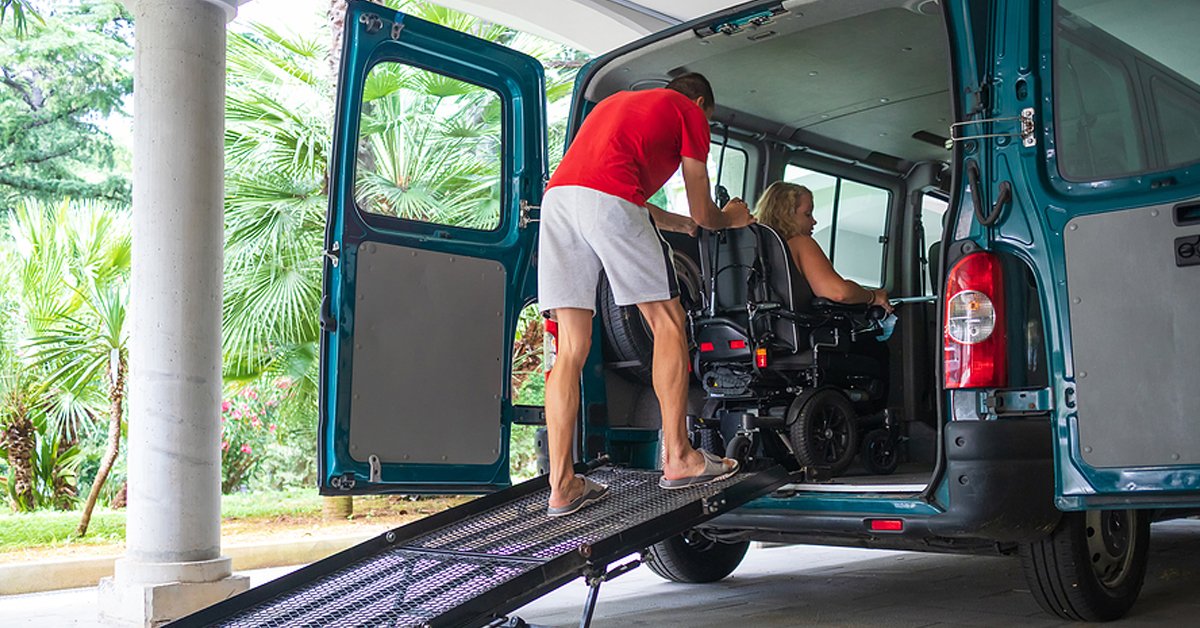
Reaching medical care can become difficult when travel plans feel uncertain. Doctor appointment transportation gives patients a planned option for scheduled medical visits. Reliable travel can reduce worry before leaving home and reaching clinics. It also helps families manage appointments when driving support remains limited.
More Reliable Arrival for Scheduled Medical Visits
Medical offices often require patients to arrive before their scheduled appointment. Late arrivals can delay care or shorten valuable time with providers. Planned rides give patients clearer pickup times before leaving their homes. That structure can make on-time arrival easier for many medical visits.
Reliable medical transport also matters for patients with repeat appointments. Therapy, follow-up care, and routine checkups may occur several times monthly. A set travel plan reduces the need to find rides repeatedly. That consistency can make ongoing care easier for patients and families.
Less Travel Stress Before Medical Care
Transportation problems can create stress before the medical visit even begins. Patients may worry about vehicle access, delays, parking, or family schedules. Planned medical appointment rides can remove several of those travel concerns. Clear trip details also help patients prepare before their pickup time.
Families may feel less pressure when another ride option exists. Caregivers cannot always leave work for every medical appointment scheduled. A planned service can provide another way to support patient access. This option may also help families manage several care duties better.
More Comfort for Riders With Mobility Needs
Comfort starts with choosing transportation that matches each passenger’s movement needs. Seniors may need easier entry, shorter walking distances, or added support. Wheelchair users may need ramps, lifts, securement, and wider vehicle space. Matching those needs can make medical travel feel less tiring.
Door-to-door service may reduce difficult walking between homes and waiting vehicles. However, assistance levels can vary between different transportation providers and programs. Patients should confirm exactly what help comes with their scheduled ride. Clear expectations can prevent confusion when the driver arrives for pickup.
Better Access for Seniors and Disabled Patients
Some patients cannot use buses, standard taxis, or family vehicles easily. Accessible medical appointment transport can give these riders another travel choice. Seniors with walkers may benefit from vehicles offering easier boarding options. Disabled riders may need space designed for wheelchairs or other equipment.
Greater access can also support patients who want more personal independence. They may attend appointments without depending entirely on relatives for transportation. That freedom can make routine medical care easier to manage regularly. Families remain involved without handling every driving task themselves.
Convenience From Pickup Through the Return Ride
Convenience involves more than getting patients to their medical provider. Return transportation also matters when appointments end earlier or later unexpectedly. Some services use scheduled return times, while others offer flexible arrangements. Patients should confirm those details before their medical visit starts.
Simple planning can improve the full appointment travel experience considerably:
- Confirm pickup timing before the scheduled medical appointment begins that day.
- Share mobility needs before the provider assigns a suitable vehicle.
- Ask how appointment delays affect the planned return ride timing.
- Keep provider contact details available during the entire medical visit.
These small steps can make appointment travel easier to manage. They also reduce uncertainty when treatment times or clinic schedules change. Good communication gives patients clearer expectations before and after medical care. That can support a calmer experience for patients and caregivers.
Value Beyond the Lowest Transportation Price
Affordable medical transport should offer more than a low starting rate. Patients should compare access, timing, assistance, and return ride policies carefully. A cheaper ride may provide little value if support remains limited. Reliable service can offer better value when needs are matched correctly.
The overall benefits of appointment transportation come from stronger travel planning. Patients gain easier access, more comfort, and clearer timing for visits. Families gain another dependable option when personal driving becomes difficult. Together, these advantages can make scheduled medical care easier to manage.

What Wheelchair Users Should Expect From Accessible Medical Transportation
Getting to medical care requires more than finding an available vehicle. Wheelchair users need suitable access, secure seating, and clear boarding support. Good doctor appointment transportation should match the rider’s chair and mobility needs. That match helps each medical trip begin with fewer problems.
How Wheelchair-Accessible Medical Rides Work
The wheelchair transport booking process usually starts with detailed mobility information. Riders should share chair type, dimensions, weight, and transfer ability. Power wheelchairs may require more interior space than manual chairs. These details help providers select suitable vehicles before pickup begins.
Wheelchair van pickup for appointments may use ramps or powered lifts. Some riders remain seated while others transfer into standard vehicle seating. The available setup depends on the vehicle and passenger needs. Riders should confirm the planned seating position before the trip date.
Vehicle Features That Improve Access
Wheelchair-accessible vans should provide enough doorway width and interior clearance. Ramps or lifts must support the chair’s size and total weight. Securement areas help keep wheelchairs stable while the vehicle is moving. Passenger restraints provide separate protection for the rider during travel.
Bariatric wheelchair transportation may require stronger lifts and wider interior space. Riders with larger chairs should confirm vehicle weight limits before booking. Stretcher transport may suit patients unable to remain seated comfortably. That service differs from standard wheelchair rides in positioning and equipment.
Door-to-Door Help and Driver Support
Door-to-door wheelchair medical transport may reduce difficult walking near building entrances. However, providers can offer different levels of passenger assistance and support. Some drivers help with ramps, lifts, and wheelchair securement procedures. Others may provide only the assistance listed during booking.
Trained wheelchair transport drivers should understand accessible boarding and securement equipment. Their role should remain clear before the rider leaves home. Standard wheelchair drivers do not automatically provide nursing or clinical care. Patients needing medical monitoring may require another transport service level.
ADA Access and Wheelchair-Friendly Service
ADA requirements can apply differently across transportation providers and vehicle services. Riders should ask which accessibility standards apply to their chosen provider. Wheelchair-friendly transport should still offer suitable entry, space, and securement. Clear answers help passengers compare access without relying on vague claims.
Accessible transportation can also support seniors needing routine checkups or treatment. Dialysis patients may require recurring rides with consistent wheelchair access. Clinics may arrange group wheelchair transport for several scheduled patients. Accessible rideshare services can also exist in selected cities and markets.
Coverage, Cost, and Payment Options
The cost of wheelchair medical transport can vary by several factors. Distance, vehicle type, assistance level, and waiting time may affect pricing. Private insurance may cover certain rides when plan requirements are satisfied. Patients should verify benefits before assuming transportation costs will be covered.
Medicaid may provide wheelchair rides for eligible covered medical appointments. State rules and booking methods can differ between Medicaid programs. Medicare coverage follows different rules and should be checked carefully. Some veterans may also qualify for transportation through approved benefit programs.
Wheelchair Van, Ambulette, or Stretcher Transport
Wheelchair vans usually serve riders who can travel safely while seated. Ambulette services may offer accessible non-emergency transport with added passenger support. Stretcher transport serves patients who cannot remain safely seated upright. These services should not be treated as the same option.
Choosing correctly depends on mobility, health needs, and required assistance. Riders should also consider caregiver seating and any attached medical equipment. Special-needs passengers may need more planning before vehicles are assigned. Clear information helps prevent unsuitable vehicles from arriving at pickup.
What Riders Should Confirm Before Pickup
Passengers can reduce problems by reviewing several details before travel begins:
- Confirm wheelchair size, weight, and vehicle access before final booking.
- Ask whether the rider stays seated or transfers during travel.
- Confirm driver assistance for ramps, lifts, and securement procedures.
- Review caregiver seating, return timing, and appointment delay policies.
- Check payment, coverage, and cancellation terms before the scheduled trip.
Accessible medical transportation works best when planning starts with rider needs. Vehicle fit, securement, support, and timing should connect from booking onward. Patients who confirm these details can approach appointments with clearer expectations. Families also gain better control over each planned medical journey.

How NEMT Supports Patients With Ongoing Medical Travel
Many patients need more than a simple ride to medical care. Non-emergency medical transportation connects stable riders with planned healthcare travel. Within that system, doctor appointment transportation can support regular visits safely. The service is designed for scheduled needs, not urgent medical emergencies.
What Makes NEMT Different From Regular Transportation
NEMT differs from regular transport because healthcare access guides the trip. Riders may need accessible vehicles, recurring schedules, or added boarding help. Regular car services may not offer those same medical travel features. That distinction matters for seniors, disabled riders, and chronic-care patients.
People without reliable transportation often miss or delay planned healthcare visits. NEMT can help seniors, disabled patients, and people managing chronic conditions. It may also support prenatal care, mental health visits, and recovery follow-ups. Each rider still needs services matched to personal mobility needs.
How NEMT Supports Recurring Medical Care
Recurring care creates transportation needs that continue beyond one appointment. Dialysis, physical therapy, chemotherapy, and rehabilitation can require repeated weekly trips. Scheduled medical transportation helps patients plan these visits more consistently. Standing ride arrangements may be available under certain programs or providers.
Common recurring travel needs can include these scheduled forms of care:
- Dialysis visits may require several scheduled rides during each week.
- Cancer treatment can involve repeated trips across several treatment stages.
- Mental health and substance treatment may require steady appointment access.
- Prenatal and postnatal visits can create changing travel needs over time.
Eligibility, Booking, and NEMT Brokers
Eligibility rules depend on the payer, program, and medical travel need. Medicaid NEMT benefits can include covered rides when state requirements apply. Patients may schedule through brokers, health plans, or approved transport providers. Booking methods and approval steps can differ between state programs.
NEMT brokers may coordinate eligible trips between patients and transport providers. They can help match ride needs with approved transportation options. Patients should provide appointment times, mobility details, and pickup information clearly. Accurate details reduce problems when recurring rides require repeated scheduling.
Medicaid and Medicare Work Differently
Medicare transportation rules work differently from Medicaid NEMT programs. Original Medicare mainly addresses qualifying ambulance transportation under specific medical conditions. Some Medicare Advantage plans may offer extra transportation benefits for members. Patients should verify coverage before assuming routine rides receive payment.
Affordable medical transportation can matter greatly for patients with limited income. Medicaid programs may reduce transportation barriers for eligible covered services. Healthcare providers may also work with brokers coordinating approved patient rides. Reliable access can support better attendance across ongoing treatment plans.
Door-to-Door Support and Medical Travel Assistance
Door-to-door medical transport can help riders with difficult building access. However, assistance levels differ among transportation companies and health programs. Patients should confirm whether drivers provide curbside or entrance-based support. Clear expectations prevent confusion when the scheduled vehicle reaches pickup.
Patients recovering after surgery may need added help during follow-up visits. Others may need recurring support while managing long-term medical conditions. Their transport plan should reflect current mobility rather than past ability. Updated information helps providers arrange more suitable medical travel assistance.
NEMT Versus Emergency Medical Transport
NEMT serves stable patients who do not need emergency medical response. Ambulance transport is different when clinical monitoring or urgent care becomes necessary. Chest pain, severe breathing trouble, or sudden major symptoms need emergency help. Scheduled rides should never replace immediate treatment during a crisis.
Planning Reliable Rides for Ongoing Care
Patients should schedule recurring rides as early as their program requires. They should also confirm return plans when treatment times remain uncertain. Appointment changes should be reported before they create missed transportation connections. Clear planning keeps ongoing care and medical travel better connected.
Reliable NEMT can support more than one isolated medical appointment. It can help patients maintain treatment schedules across longer care periods. Families gain clearer travel plans when personal driving is unavailable. Patients gain another path toward reaching the care they need.
How Families Can Plan Reliable Medical Rides for Seniors
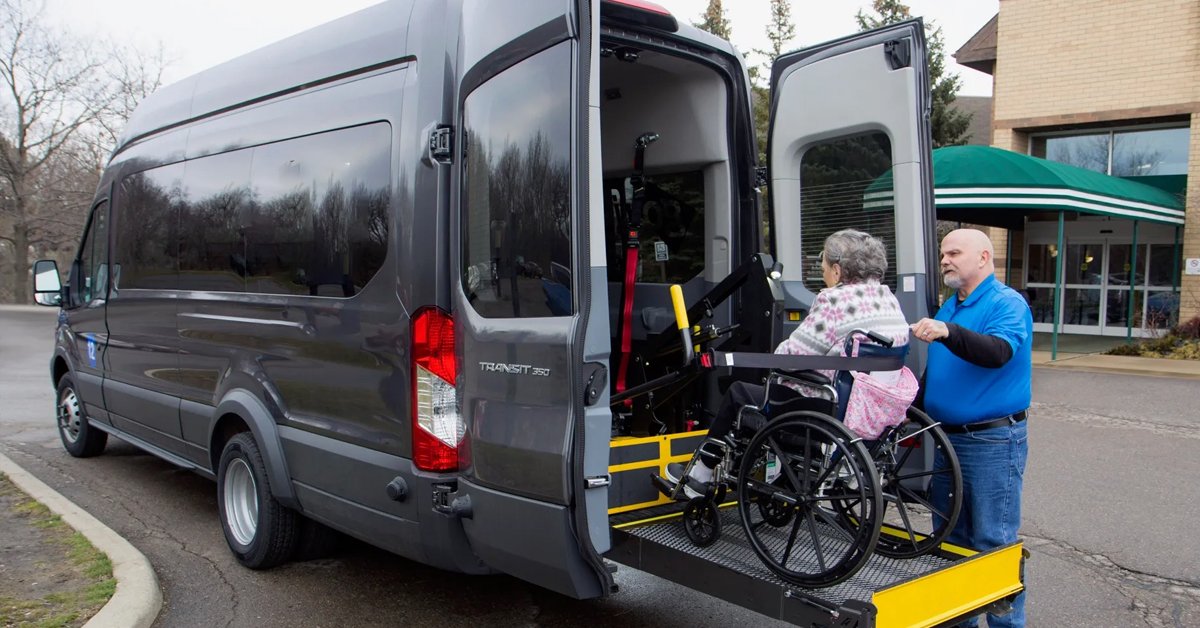
Families often worry about getting older relatives to medical care comfortably. doctor appointment transportation can help when driving becomes difficult or unavailable. The right plan should match mobility limits, timing, and family support. Clear planning also helps seniors approach appointments with fewer travel concerns.
Start With the Senior’s Daily Mobility Needs
Transportation planning should begin with how the senior moves each day. Walkers, wheelchairs, balance issues, or fatigue can change vehicle requirements. Families should describe these needs clearly before any ride gets scheduled. Current mobility matters more than assumptions based on age alone.
Seniors living alone may need more help reaching the vehicle entrance. Door-through-door service can offer added support when providers include it. Families should confirm exactly where driver assistance begins and ends. That detail prevents confusion when pickup starts at the senior’s home.
Plan Around Recurring Medical Visits
Chronic conditions can create several medical trips during each month. Dialysis, therapy, specialist care, and follow-ups may require recurring transportation. A regular schedule can reduce last-minute planning for caregivers and patients. Repeat bookings may also create more consistent pickup and return routines.
Families should also ask how return rides work after appointments. Some visits finish quickly, while others run much longer than expected. Clear return rules help caregivers avoid confusion when medical schedules change. Patients should know who receives updates when appointment timing shifts suddenly.
Decide Whether a Companion Should Travel
Some seniors feel more comfortable when a caregiver travels beside them. Companion medical transportation can help with check-in, communication, and personal support. Seating rules should be confirmed before the ride because policies vary. Caregivers should also ask whether escorts require advance approval or payment.
Compare Local Senior Transportation Options
Families should compare more than private medical transportation when planning rides. Paratransit may support eligible seniors unable to use regular transit systems. Volunteer driver programs can also serve some local medical trip needs. Area Agencies on Aging may connect families with nearby transportation resources.
Medicaid NEMT may help eligible seniors reach covered healthcare appointments. Program rules, eligibility, and booking steps can differ by location. Families should verify coverage before building recurring plans around any benefit. Private-pay services may offer more choice when program options remain limited.
Balance Cost With Support and Reliability
Affordable senior transportation should still match the rider’s real mobility needs. A low price offers little value when assistance or access is missing. Families should compare vehicle fit, support level, scheduling, and return options. Reliable communication also matters when appointments run late or plans change.
A Simple Caregiver Planning Checklist
Caregivers can reduce travel problems by checking important details before booking. They should also review the senior’s current mobility and support needs. Return plans deserve attention when clinic schedules can change unexpectedly. These checks create clearer expectations for everyone involved in the trip.
- Confirm wheelchair, walker, or cane needs before scheduling the ride.
- Ask whether door-to-door or door-through-door assistance is available.
- Check companion seating and escort rules before appointment day.
- Confirm return timing, cancellation rules, and provider contact details.
- Review coverage, private-pay costs, and recurring ride options early.
Good senior transportation planning combines access, timing, support, and communication. Families should review changing mobility needs before future medical appointments. Seniors may need different assistance as health or movement changes. Regular reviews help caregivers keep transportation aligned with current needs.
Planning Long-Distance Medical Travel for Appointments and Special Needs
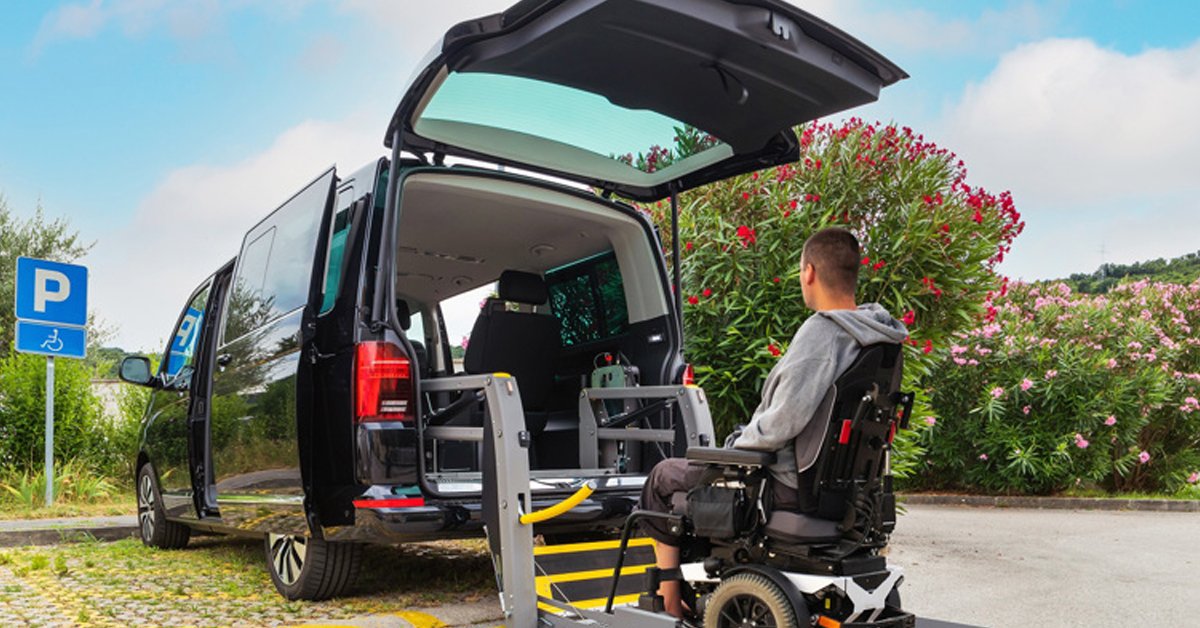
Long-distance medical travel requires more planning than a nearby clinic visit. Patients may face longer roads, changing health needs, and extra equipment. Reliable doctor appointment transportation can support these trips when local options fall short. Good planning should cover comfort, timing, support, and return travel.
When Medical Care Is Far From Home
Specialist appointments may require travel across cities, counties, or state lines. Cancer treatment, surgery follow-ups, and clinical trials can create longer routes. Rehabilitation centers and transplant programs may also sit far from home. Each trip should match the patient’s condition and mobility needs.
Interstate and multi-state rides need early scheduling and detailed trip planning. Providers may need exact addresses, mobility details, and expected appointment duration. Long-distance NEMT for specialist visits can also involve benefit approval. Riders should confirm payment and coverage before travel begins carefully.
Wheelchair, Bariatric, and Stretcher Travel Needs
Wheelchair users may need larger vans with suitable ramps or lifts. Bariatric patients can require more space and higher equipment weight limits. Some patients cannot remain seated during several hours of travel. Stretcher transport may fit those needs when sitting becomes difficult.
Long-distance riders should also plan for comfort during extended travel. Breaks, medications, water, and personal care items may be needed. Seniors may benefit from shorter driving segments and easier boarding support. Families should discuss these needs before the provider confirms the trip.
Hospital Coordination and Added Medical Support
Long trips often involve more than transportation between two addresses. Hospitals may need discharge details, arrival times, or receiving facility contacts. Bedside-to-bedside service can include added coordination between care locations safely. Patients should confirm exactly which support the provider includes during transfer.
Nurse attendants may be available when patients need added clinical oversight. However, standard accessible vans do not automatically include medical staff. Patients needing monitoring should ask what level of support is offered. That helps prevent confusion between transport service and medical care.
Costs, Coverage, and Private-Pay Planning
Private-pay services may offer more flexibility for distant medical appointments. Costs can change with mileage, vehicle type, assistance, and waiting time. Overnight travel or extended stops may also affect the final price. Families should request clear pricing before approving a long trip.
Return travel needs just as much attention as the outbound trip. Appointments can finish later because testing or treatment takes extra time. Surgery follow-ups may also lead to unexpected changes in patient condition. Riders should ask how delays affect pickup and return plans.
Planning Trips of Three Hundred Miles or More
Patients traveling three hundred miles or more need extra preparation. Long routes can create fatigue, pressure discomfort, or bathroom concerns. Families should plan stops that match the rider’s health needs. The provider should also understand any limits on prolonged seated travel.
Some long-distance trips involve family members or caregivers traveling together. Companion seating should be confirmed before the vehicle is assigned. Caregivers may help with communication, personal items, or medical visit details. Their role should be planned without assuming clinical duties during travel.
What to Confirm Before Booking
Patients should review several details before confirming a distant medical ride. These checks can prevent delays, wrong vehicles, and missed appointments. Families should also discuss comfort needs before the trip begins. Clear planning helps providers prepare the right vehicle and travel support.
- Confirm wheelchair size, weight, and required vehicle access before booking.
- Ask whether rest stops can be planned during longer routes.
- Confirm caregiver seating and any needed attendant support before departure.
- Review hospital contacts, return timing, and payment terms before departure.
- Ask how weather or delays can change the travel schedule.
Long-distance medical transport should feel organized before the vehicle arrives. Strong planning connects mobility needs, medical timing, comfort, and route details. Patients gain clearer expectations when every part is confirmed early. Families also gain more control over complex medical travel days.
FAQs
How early should I book transportation for a doctor appointment?
Book as early as possible, especially when wheelchair access is required. Booking gives providers more time to match suitable vehicles.
Can wheelchair users stay seated during medical appointment transportation?
Many accessible vehicles allow riders to remain seated during travel. Vehicle fit and securement requirements should always be confirmed beforehand.
What happens if my medical appointment runs longer than expected?
Contact the ride provider when your appointment schedule changes unexpectedly. Return pickup rules may vary between scheduled and flexible services.
Does insurance cover doctor appointment transportation for wheelchair users?
Coverage depends on Medicaid, Medicare Advantage, or private insurance rules. Patients should verify eligibility and trip approval before booking transportation.
Can caregivers travel with patients to medical appointments?
Many providers allow caregivers when approved seating space remains available. Companion rules should be confirmed while scheduling doctor appointment transportation.