
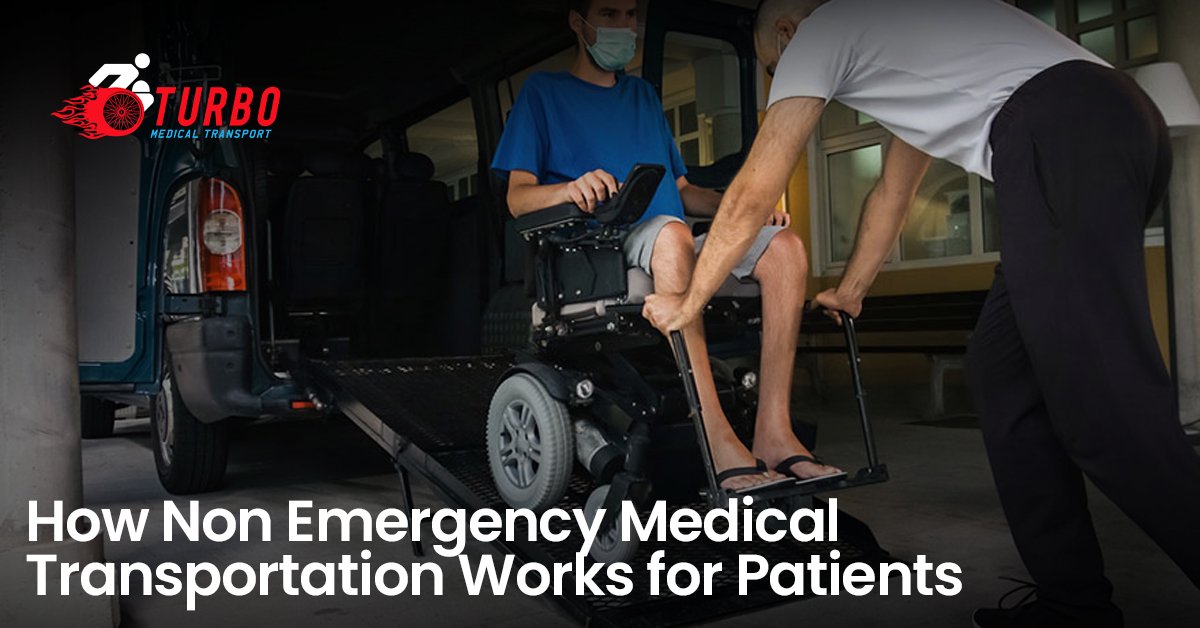
How Non-Emergency Medical Transportation Works for Patients
Getting to a medical visit should not add more stress. Still, many patients cannot drive or use public transit safely. That is where non-emergency medical transportation can make travel easier. It helps patients reach planned care without emergency ambulance services.
Many people still have questions before booking their first ride. They may wonder about cost, safety, timing, or vehicle needs. This guide explains how each part of the process works. You will learn about booking, ride types, access, and support. By the end, planning medical trips should feel much clearer.
What Patients Should Know About Non-Emergency Medical Transportation
A medical ride involves much more than getting inside a car. Patients need the right vehicle, timing, support, and trip plan. Non-emergency medical transportation supports planned care when regular travel becomes difficult. It serves non-urgent trips where emergency ambulance care is not needed.
When Patients May Need NEMT
Many patients need help reaching planned visits and ongoing care. Some cannot drive because of age, illness, surgery, or disability. Others use wheelchairs, walkers, or devices that need more space. Seniors may also lack family members who can provide rides.
Common trips can include these planned forms of medical care:
- Routine doctor visits and follow-up care after past treatment.
- Dialysis sessions that require steady travel several times each week.
- Chemotherapy visits where patients may feel weak after their treatment.
- Hospital discharge rides when regular travel does not meet patient needs.
Patients may also need rides after surgery or during recovery. Each trip should match the rider’s current health and mobility needs.
How Patients Get Matched With Suitable Transportation
The right ride depends on how each patient can travel. Ambulatory riders may use sedans, vans, or other suitable vehicles. Wheelchair users may need lifts, ramps, space, and secure seating. Some patients may require stretcher transport when seated travel becomes unsafe.
This choice is not based only on the medical appointment. Staff may also consider mobility devices and needed rider support. Sharing these details early can prevent the wrong vehicle assignment. CMS notes that NEMT programs use different transport methods and systems.
How Non-Emergency Medical Transportation Booking Works
Booking usually starts before the date of the medical visit. Patients, caregivers, health plans, or care teams may arrange rides. Booking staff often request pickup and drop-off details first. They also need the visit time and key mobility details.
Wheelchair type and added equipment should be shared during booking. Patients should also mention any approved rider or caregiver needs. These details help staff plan the trip before pickup begins.
Coverage, Rates, and Payment Basics
Payment depends on the program, plan, provider, and patient status. Medicaid helps eligible members reach covered care when transport is needed. State rules and program methods can still differ across locations.
Medicare follows different rules for non-emergency medical transportation needs. Original Medicare may cover some medically needed non-emergency ambulance trips. Specific rules apply when other travel could harm the patient.
Patients should check coverage before assuming insurance will pay. Private-pay rides may also be offered by local transport companies. Non-emergency medical transportation rates can change by distance and service. Added help, wait time, or special equipment may change costs.
What Patients Should Confirm Before Their Ride
People searching for non-emergency medical transportation near me need more than distance. The nearest provider may not have the right vehicle available. Patients should confirm service areas, booking times, and mobility support. They should also ask how return transportation works after appointments.
A good trip plan should also allow for later changes. Patients should report new mobility needs before their scheduled pickup. Appointment delays may also change return pickup or driver timing. Clear updates help each part of the medical trip stay connected.
What Happens on the Day of the Ride
Patients should be ready before the planned pickup window begins. Drivers may arrive within a set time before appointments. Having needed items ready can prevent delays during boarding. These items may include identification, mobility aids, and visit papers.
The driver then helps with the agreed transport service. Wheelchair riders may use ramps or lifts for boarding. Secure systems help keep mobility devices stable during travel. However, standard drivers do not provide emergency medical treatment.
Some programs may use shared rides for nearby patients. Shared trips can include extra stops before reaching medical care. Patients should ask about this when timing matters greatly.
What Happens After the Medical Appointment
Return rides can work differently across plans and providers. Some trips use a fixed time for return pickup. Others may offer a call-back option after care ends. Patients should confirm this process before leaving home.
Appointments can also run longer than first planned times. Patients should contact the ride service when schedules change. Clear updates can reduce missed pickups and added waiting.
Recurring care may also need repeat transportation over several weeks. Dialysis, therapy, and cancer care often involve frequent visits. Some programs may allow repeat trips through one ride plan.
When NEMT Is Not the Right Choice
Non-emergency medical transportation serves stable patients needing planned medical travel. It does not replace emergency care during serious health events. Chest pain, severe breathing trouble, or major bleeding needs urgent help.
Patients should call emergency services when immediate treatment becomes necessary. This difference helps patients choose the right transport level. It also keeps planned medical rides focused on non-urgent care.
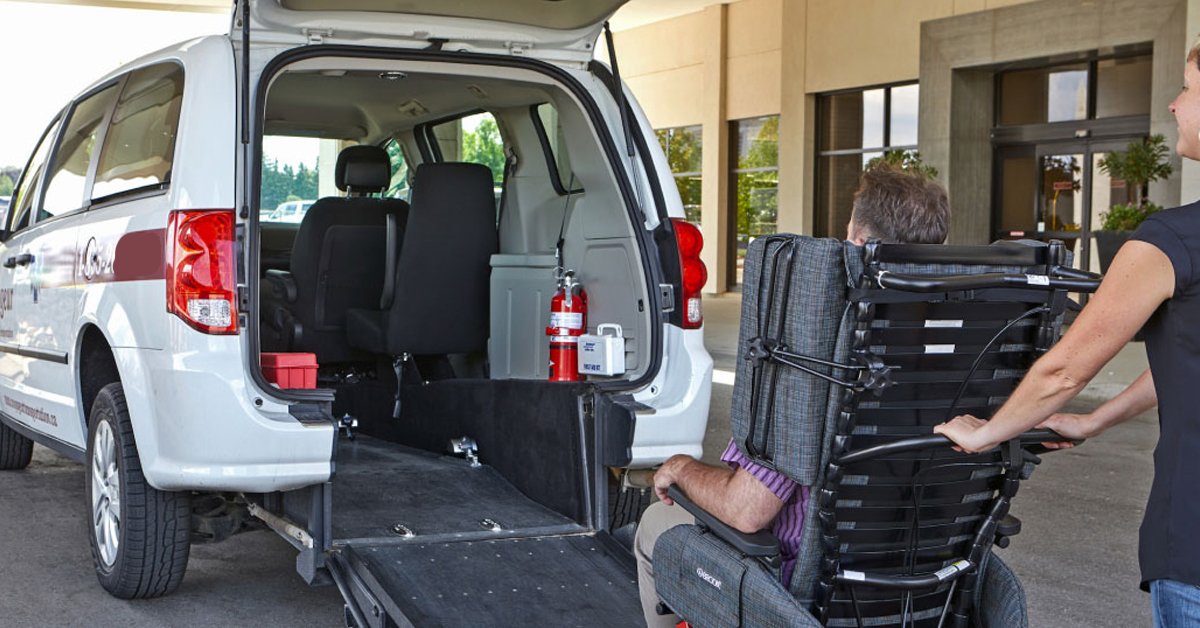
Key Benefits of Non-Emergency Medical Transportation for Patients
Medical travel can become hard when driving is no longer simple. Non-emergency medical transportation gives patients a planned way to reach care. The service can reduce travel stress before important medical visits. It also supports patients who need added help during trips.
The main value comes from access, comfort, safety, and support. These benefits matter most when care requires regular medical travel.
Easier Access to Needed Medical Care
Missing care can happen when patients lack a safe ride. Planned transport helps patients reach doctors, clinics, therapy, and treatment visits. This support can matter greatly for seniors with limited travel choices. It can also help patients living with long-term health needs.
Regular appointments often require travel on the same weekly schedule. Dialysis, therapy, and cancer care may involve many repeat visits. A planned ride can make those trips easier to manage. Patients spend less time finding new travel options each week.
This support can also help during recovery after surgery. Patients may need rides while driving remains unsafe or difficult. Family members cannot always leave work for each appointment. Planned transport gives families another way to support patient care.
More Comfort During Medical Travel
Patient comfort can change the whole medical travel experience. Standard cars may not suit every rider or mobility need. Some patients need more room for wheelchairs, walkers, or bags. Others may need easier boarding because movement causes pain.
Comfort also starts before the vehicle begins moving. Door-to-door support may reduce difficult walking for some riders. Service levels differ, so patients should confirm help before booking. This step helps match the ride with actual patient needs.
Several comfort features can make planned travel feel less tiring:
- Easier boarding can help patients with limited movement.
- Added space can support wheelchairs, walkers, and other aids.
- Planned pickups can reduce long waits before medical visits.
- Clear ride details can lower stress before leaving home.
These simple benefits can improve the full patient experience. They also make repeat medical trips easier to plan.
Better Safety for Patients With Mobility Needs
Safety matters when patients cannot travel like other riders. Wheelchair users may need ramps, lifts, and secure seating systems. Walker users may need extra time while entering vehicles safely. Older adults may also need help with careful boarding.
The right vehicle should match each rider’s mobility needs. That match can reduce problems during boarding and travel. Drivers should also follow service rules for safe patient handling. Patients should share mobility changes before each planned medical trip.
Safety also means choosing the correct type of transportation. Stable patients may use planned non-emergency rides for routine care. Emergency symptoms need urgent medical help instead of scheduled transport. Knowing that difference helps patients choose the proper service.
More Reliable Support for Ongoing Treatment
Ongoing treatment can become stressful without steady travel plans. Patients may worry about reaching care at the right time. Planned booking can make repeat appointments easier to manage. It also gives patients clear pickup and return details.
On-time travel matters because many clinics follow fixed schedules. Late arrival can affect tests, therapy, or treatment times. A planned service can help patients prepare before pickup. Patients should still allow time for delays and shared rides.
For many people, the biggest benefit is simple peace of mind. They know transport plans exist before the appointment day arrives. That support can make medical travel feel more controlled. It can also reduce stress for caregivers helping with care.
For patients needing regular care, that value can be meaningful. Better travel support can protect access to needed appointments. It can also make long-term care plans easier to follow.
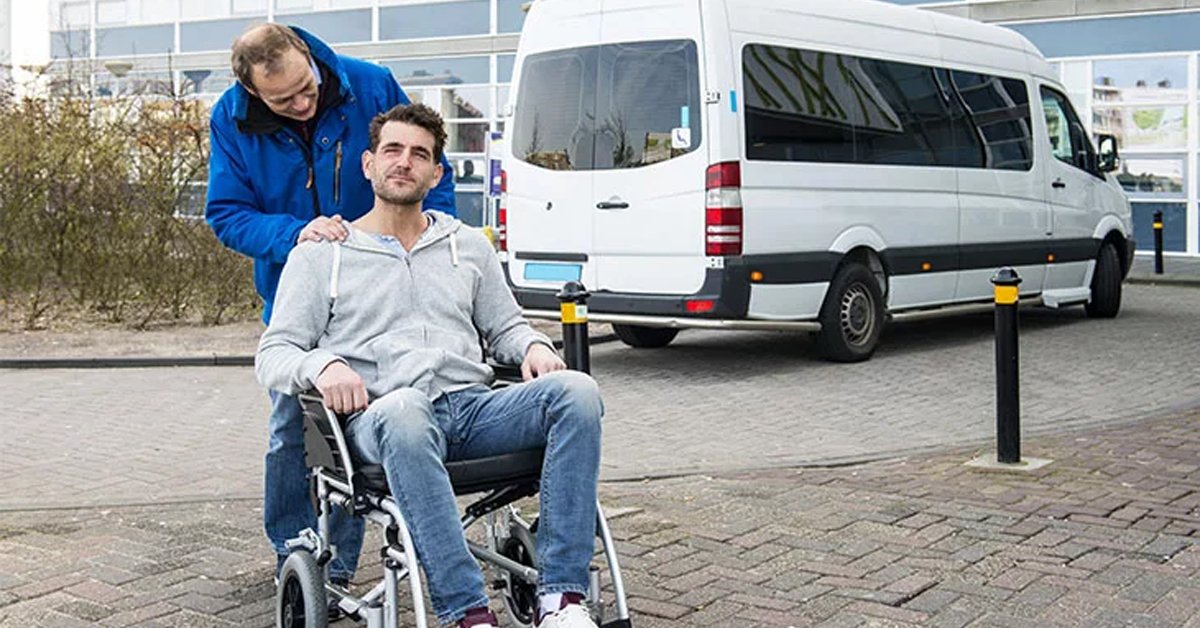
How Non-Emergency Medical Transportation Supports Better Healthcare Access
Getting to care can become hard when travel options are limited. Non-emergency medical transportation helps patients reach planned care without driving. The service can support many visits with different travel needs. Each appointment type may need different timing, space, or support.
Doctor, Clinic, and Specialist Visits
Routine doctor visits often need simple pickup and return planning. Patients should share the appointment time and full clinic address. Specialist visits may require longer travel or tighter arrival times. Some offices also ask patients to arrive before check-in begins.
Regular checkups can seem simple, yet timing still matters greatly. Late arrival may reduce visit time or delay needed care. Planned rides help patients leave home with clearer travel details. They also reduce last-minute searches for family or public transit.
Hospital visits may need more planning than local office visits. Large medical centers often have several doors and care areas. Patients should confirm the correct building and entrance before pickup. That detail helps drivers reach the right drop-off point.
Therapy, Tests, and Ongoing Treatment
Therapy visits often happen several times during the same month. Physical therapy may also affect movement after each treatment session. Patients should explain walker, wheelchair, or other mobility needs early. That information helps staff plan the right vehicle before pickup.
Lab work and diagnostic tests can have strict arrival rules. Some tests require fasting, early check-in, or longer visit times. A ride plan should allow enough time for these needs. Patients should also ask how return pickup works afterward.
Follow-up visits may happen soon after surgery or hospital care. Movement can still be hard during this stage of recovery. A regular car may not fit the patient’s current needs. Planned patient transportation can offer a more suitable travel option.
Dental, Eye, and Outpatient Appointments
Dental appointments may leave some patients tired or less alert. Eye appointments can also affect vision after certain office tests. Patients should ask their care team about driving limits afterward. If driving is not advised, planned transport may help greatly.
Outpatient care covers many treatments without an overnight hospital stay. These visits can still involve medicine, pain, or weak movement. Patients should tell booking staff about any expected travel limits. That step helps match the ride with post-visit needs.
Why Appointment Details Matter Before Booking
Good appointment travel starts with clear and complete trip details. Patients should have several facts ready before making arrangements.
- Full pickup and medical facility addresses should be confirmed.
- Appointment times should include all required early check-in needs.
- Mobility aids and caregiver needs should be shared early.
- Return ride plans should be confirmed before leaving home.
These details help reduce errors during medical travel planning. They also support better patient access to needed medical care. For repeat treatment, the same route may be used many times. Dialysis, therapy, and cancer care can require steady trip plans.
NEMT can also support healthcare travel when family help changes. A caregiver may not always be free for each visit. Public transit may also be hard for some patients. Planned rides give another way to reach needed medical care.
Planning the Return Trip
The medical visit is only half of appointment travel. Patients also need a safe way to return home. Some rides use a fixed pickup time after treatment ends. Other services may use flexible return plans when available.
Patients should ask about return rules during the first booking. They should also report delays when appointments run longer. Clear updates help the ride service adjust the return plan. This keeps healthcare travel connected from pickup through the ride home.
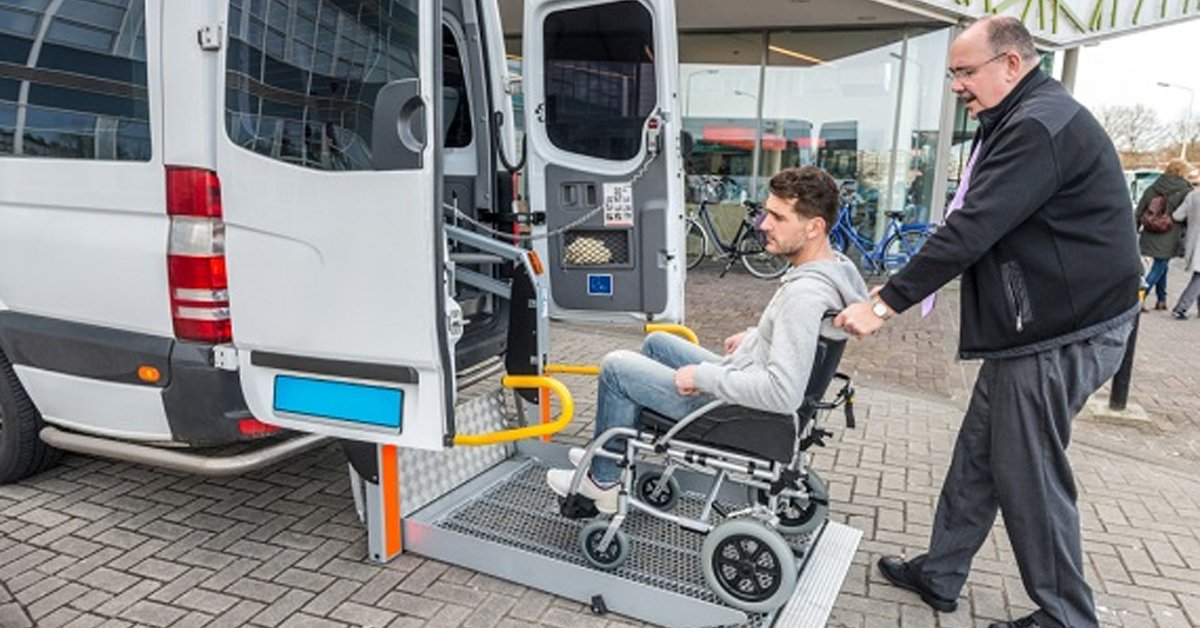
Who Can Benefit From Non-Emergency Medical Transportation?
Medical travel becomes harder when age, illness, or disability limits movement. Non-emergency medical transportation can support patients needing planned medical rides. Different patient groups need different levels of space and help. That is why ride planning should begin with patient needs.
Seniors and Older Adults
Seniors may stop driving because vision or movement becomes harder. Some older adults also feel unsafe using crowded public transit. Planned rides can support doctor visits, therapy, and routine care. This option may also help seniors with limited family support.
Older patients often use canes, walkers, or wheelchairs for movement. Those aids can change boarding needs and vehicle space needs. Seniors with mobility issues should share these details during booking. Clear details help staff plan safer and easier ride support.
Wheelchair and Walker Users
Wheelchair users need vehicles that fit their mobility devices safely. Accessible vans may include ramps, lifts, and secure seating systems. Manual and power wheelchairs can require different space inside vehicles. Patients should describe their wheelchair type before confirming each ride.
Walker users may need more time during boarding and exit. They may also need space for storing mobility aids safely. Drivers should follow the support level confirmed during booking. Patients should ask what help is included before travel.
Short details can prevent problems during pickup and boarding:
- Share wheelchair or walker type before the trip.
- Mention needed boarding help during the first booking.
- Confirm space for approved caregivers or needed equipment.
- Report new mobility changes before the scheduled ride.
Patients With Long-Term Health Needs
Chronic health conditions can create many trips each month. Dialysis patients often need steady travel for repeat treatment visits. Cancer patients may also need rides for ongoing care sessions. Regular transport plans can make these visits easier to manage.
Treatment can sometimes leave patients tired after medical care ends. That makes the return ride just as important afterward. Patients should explain expected support needs before their first trip. Return plans should also match likely treatment times and delays.
Surgery, Recovery, and Rehabilitation Patients
Patients may face short-term mobility limits after surgery or injury. Driving may stay unsafe during the early recovery period. Rehabilitation can also require several visits across many weeks. Planned rides can support this phase without depending on driving.
Some patients may use walkers or wheelchairs only during recovery. Their mobility needs may change as healing moves forward. Updated details help transportation staff choose suitable ride support. Patients should report these changes before later rehabilitation trips.
Bariatric and Limited-Mobility Patients
Bariatric patients may need more vehicle space and stronger equipment. The right vehicle should support safe entry and stable travel. Limited mobility can also affect how patients reach the vehicle. These needs should be discussed before the pickup date.
Homebound patients may need more support leaving their homes safely. Service levels vary, so help should never be assumed. Patients should confirm whether curbside or added assistance is offered. That step can prevent confusion when the driver arrives.
Assisted Living and Nursing Home Residents
Residents often travel between care homes and medical offices. Trips may involve checkups, therapy, testing, or specialist care. Staff members may help arrange rides for these patients. Care teams should share mobility needs and appointment details early.
A caregiver may also need to travel with some patients. Space and rider rules can differ between transport providers. Care homes should confirm these details before the trip begins. This planning can reduce delays during medical appointment travel.
Adults and Children With Special Needs
Some adults need added help because movement or communication is difficult. Children may also need support suited to age and needs. Families should share key details before booking medical transportation services. Providers can then explain available vehicles and support options.
The best ride depends on more than a medical diagnosis. Mobility, equipment, age, support needs, and trip purpose matter. Matching those details helps patients travel with greater comfort. It also gives families clearer expectations before each medical trip.
Types of Non-Emergency Medical Transportation Services for Different Needs
Patients do not all need the same kind of medical ride. The right service depends on movement, support, space, and comfort. Non-emergency medical transportation services should match each patient’s actual travel needs. This match helps reduce boarding problems and wrong vehicle choices.
Ambulatory Transportation for Patients Who Can Walk
Ambulatory transport serves patients who can walk with little help. These riders may use sedans, vans, or other standard vehicles. Some patients still use canes or need slow, careful boarding. They should share those needs before the ride is booked.
An ambulatory NEMT service often fits routine medical appointments well. It can support doctor visits, therapy, tests, and follow-ups. Older adults may also use this option when driving becomes hard. The vehicle still needs enough room for any mobility aids.
Wheelchair Transportation for Non-Ambulatory Riders
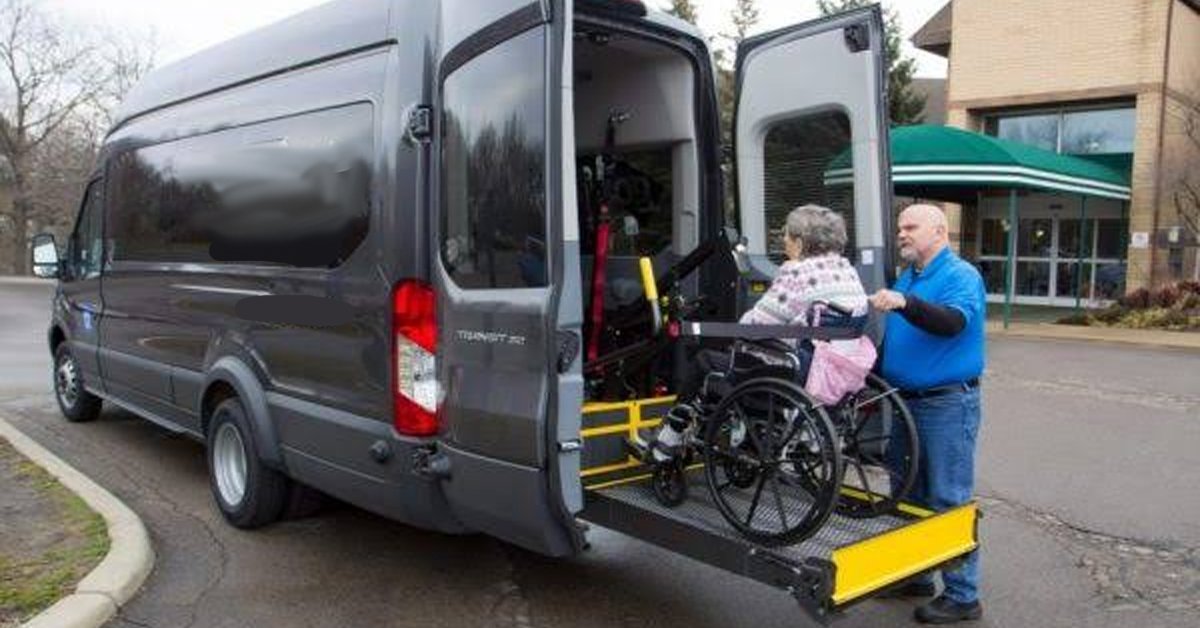
Wheelchair users need vehicles built for safe, easy boarding. A NEMT wheelchair van may include ramps or powered lifts. It should also provide space for secure wheelchair placement inside. Power chairs may need more room than manual wheelchairs.
Patients should share wheelchair type, size, and support needs early. That detail helps staff choose an accessible medical transport vehicle. Wheelchair NEMT service differs from ambulatory service mainly by access. The rider may stay seated in the wheelchair during travel.
Some riders can transfer into a regular vehicle seat safely. Others cannot transfer without added risk or physical strain. That difference often guides wheelchair versus ambulatory transportation choices. Patients should never guess which option fits their needs.
Stretcher Transportation for Patients Who Cannot Sit Safely
Some patients cannot remain upright during the full medical trip. A NEMT stretcher van may support those non-ambulatory travel needs. This service requires more space and trained patient-handling support. Availability can vary by provider, state, and medical program.
Wheelchair transport and stretcher transport solve different mobility limitations. Wheelchair riders can usually travel seated in secure positions. Stretcher riders may need to remain lying during transportation. Patients should confirm the needed service before making reservations.
Bariatric and Larger Accessible Vehicles
Bariatric transport supports patients needing added space or stronger equipment. These vehicles may offer wider access and higher weight support. Booking staff should know patient size and equipment needs beforehand. That information helps avoid unsafe or unsuitable vehicle assignments.
Some providers also use minibuses for approved shared patient trips. A NEMT minibus can carry several riders on planned routes. Shared trips may include extra stops before reaching medical facilities. Patients should ask whether shared travel affects their arrival timing.
How to Choose the Right NEMT Service Type
Choosing the right service begins with current mobility needs. The medical visit alone does not decide the vehicle type. A dialysis patient may walk independently and need sedan transport. Another dialysis patient may require a wheelchair-accessible medical vehicle instead.
The same rule applies to elderly and disabled patients. Their diagnosis does not automatically decide the transport service. Staff should consider walking ability, transfers, devices, and boarding support. They may also review space needs and approved caregiver travel.
Patients can prepare these details before calling the ride service:
- Ask whether the patient can walk safely without physical support.
- Note whether the rider uses a wheelchair, cane, or walker.
- Confirm whether the patient can transfer into a vehicle seat.
- Explain when stretcher travel is needed for safe body position.
- Share any need for added space or special equipment.
These answers help explain how to choose NEMT service type. They also reduce confusion between vehicle types and care needs. A treatment purpose describes why the patient needs transportation. The service type describes how the patient can travel safely.
That difference matters for NEMT for different patient needs. Dialysis, therapy, and appointments are reasons for medical travel. Sedan, wheelchair, stretcher, and bariatric options describe ride support. Matching both parts creates a clearer and safer trip plan.

How Non-Emergency Medical Transportation Supports Safety, Comfort, and Access
Safe medical travel depends on more than reaching the destination. Patients also need proper vehicles, trained drivers, and clear support. Non-emergency medical transportation can address needs that regular rides cannot. This matters most for older adults and disabled patients.
Accessibility That Matches Patient Mobility
Wheelchair users need safe entry, secure seating, and enough space. Ramps or lifts can support boarding when steps cause trouble. Secure systems help keep wheelchairs stable while vehicles are moving. Patients should share wheelchair details before the scheduled pickup.
Walker users may need extra time during entry and exit. Elderly riders may also need slower and steadier movement. Good access helps reduce strain before the medical visit begins. That support can make the full trip feel less tiring.
Trained Drivers and Safe Patient Handling
Driver training plays an important role in patient safety. Drivers should know safe boarding, securement, and rider assistance rules. They should also understand limits on the help they provide. Standard NEMT drivers do not replace nurses or emergency crews.
This difference helps patients choose the correct transport level. Safe patient handling should also match the rider’s mobility needs. Clear support rules can prevent confusion during pickup and boarding. Patients should confirm available help before the trip begins.
Vehicle Safety and Patient Comfort
Vehicle safety also affects every part of medical travel. Working lifts, clean interiors, and secure seats all matter. Providers should inspect vehicles and fix safety issues quickly. Seat belts and wheelchair securement should work before each trip.
Comfort matters because some patients travel while weak or sore. Easy boarding can reduce strain on joints and muscles. Enough space also helps patients carry needed mobility aids. A calm ride can lower stress before demanding medical care.
Clean vehicles matter when patients have weak immune systems. Routine cleaning can reduce contact with common surface germs. Providers may also follow added cleaning rules when required. Patients can ask about cleaning steps before booking repeat rides.
Reliable Timing and Clear Trip Planning
Reliable medical transportation also depends on clear trip planning. Pickup times should allow enough time for clinic check-in. Drivers need correct addresses, building entrances, and contact details. Patients should report appointment changes as early as possible.
Clear updates can reduce missed pickups and long waiting times. On-time travel matters for tests, therapy, and planned treatment. Patients can support better timing with a few simple steps:
- Confirm the pickup window and exact medical facility entrance.
- Share all mobility aids and needed boarding help early.
- Ask how delays affect the planned return ride timing.
- Keep the ride service number ready during appointment travel.
These steps can improve both timing and patient comfort. They also create clearer plans for the return trip.
Emergency Planning During Medical Transport
Emergency planning is another part of safe patient transport. Drivers should know what to do if health worsens suddenly. However, scheduled NEMT does not replace emergency medical care. Serious new symptoms may require emergency services right away.
Medical transport differs from regular rides through planned support. Vehicle access and patient handling may match specific mobility needs. Regular rides may not offer those same support options. Patients should confirm available help before choosing any service.
Safe and comfortable travel comes from matching needs correctly. That match supports access, comfort, safety, and steady timing. It also gives patients clearer expectations before every medical trip. Reliable service starts with accurate details and suitable support.
FAQs
What information is needed when booking a medical ride?
Patients usually share pickup details, appointment times, and medical facility addresses. Mobility aids and needed boarding help should also be explained. Caregiver needs should be confirmed before the ride is booked.
How early should patients book non-emergency medical transportation?
Booking times can vary by provider, health plan, and location. Patients should schedule early when trips involve special mobility needs. Repeat treatment visits may also need advance trip planning.
Can a caregiver ride with a patient during transportation?
Some providers allow caregivers or approved companions to travel with patients. Space, plan rules, and vehicle type can affect this option. Patients should confirm companion rules before the scheduled pickup date.
Does insurance cover non-emergency medical transportation for medical visits?
Coverage depends on the patient’s health plan and medical need. Medicaid rules can vary by state and member program. Some Medicare Advantage plans may also include transportation benefits.
What happens when a medical appointment runs longer than planned?
Patients should contact the ride service when appointment times change. Some providers offer flexible return pickups after medical care ends. Others use set return times based on booking rules.